In this article (5 sections)
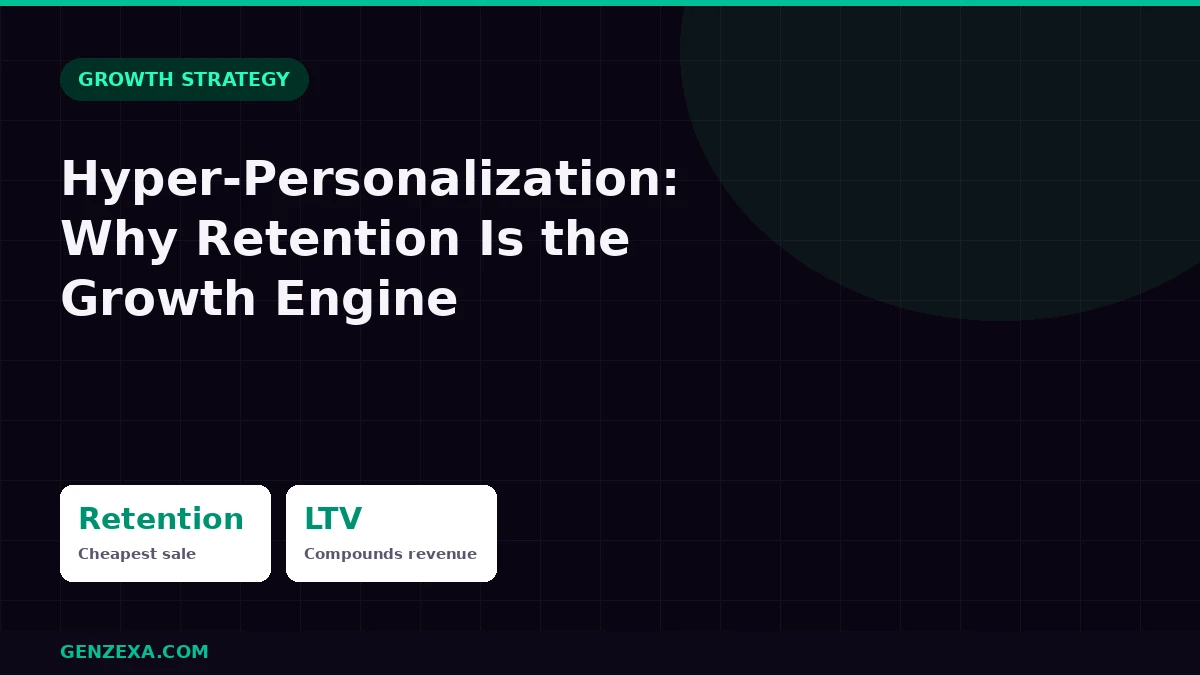
Most brands pour almost everything into getting new customers, and almost nothing into keeping the ones they have. In 2026, that's a losing bet. Acquisition costs keep climbing, targeting keeps getting harder, and the brands growing profitably have figured out the same thing: the real growth engine isn't the next new customer, it's the one you already sold.
Why Retention Beats Acquisition Now
The math is brutal and simple. It costs far more to win a new customer than to sell again to an existing one. A customer who already trusts you and knows your product is the easiest sale you'll ever make. Yet most brands treat the sale as the finish line instead of the start.
As acquisition gets more expensive, every brand relying only on new customers to grow is running up a down escalator. Retention is how you stop running and start compounding.
"The cheapest customer to sell is the one who already bought. Most brands forget them the second the order ships."
Where Hyper-Personalization Comes In
Retention isn't just sending everyone the same newsletter. It's speaking to each customer based on what they actually did, what they bought, what they browsed, what they care about. That's hyper-personalization, and it's what makes retention actually work.
When a customer gets an email or offer that feels made for them, they buy again. When they get generic blasts, they tune out. The difference is using what you know about them, and by 2026, brands have the data and tools to know a lot.
How to Build a Retention Engine
Capture the relationship, not just the sale
Get customers onto an owned channel, email or SMS, so you can reach them again without paying a platform each time.
Segment by behavior
Group customers by what they've actually done. First-time buyers, repeat buyers, browsers who didn't buy. Each needs a different message.
Automate the key moments
Welcome flows, post-purchase follow-ups, win-back sequences for customers going quiet. These run automatically and quietly compound revenue in the background.
Personalize the offer
Recommend based on what they bought. Reward loyalty. Make returning customers feel known, not marketed at.
What to Avoid
Don't mistake more emails for personalization, and don't let retention become spam. Blasting your whole list the same message more often isn't personalization, it's noise, and it burns the trust that makes people buy again. Use what you know to be relevant, not just frequent.
The Bottom Line
Acquisition gets you a customer once. Retention turns that customer into revenue that repeats, at a fraction of the cost. In 2026, the brands growing profitably aren't the ones spending the most to acquire, they're the ones keeping and re-selling to the customers they already earned. Personalization is what makes that engine run.
At GenZexa, building the retention and personalization systems that turn one-time buyers into lasting revenue is a core part of how we help brands grow without depending only on ever-rising ad spend.
Related reading: First-Party Data in 2026: Why Owning Your Customer Data Is Now a Competitive Edge · Email Marketing vs. Social Media Marketing, What's Best for Your SaaS Product? · Apparel case study: 27% revenue from repeat customers
Reading about it is step one. We can do it for you.
Tell us what you sell and what's holding sales back. We'll tell you straight if we're the right people to fix it.
See how our services work →
First-Party Data in 2026: Why Owning Your Customer Data Is Now a Competitive Edge
6 min read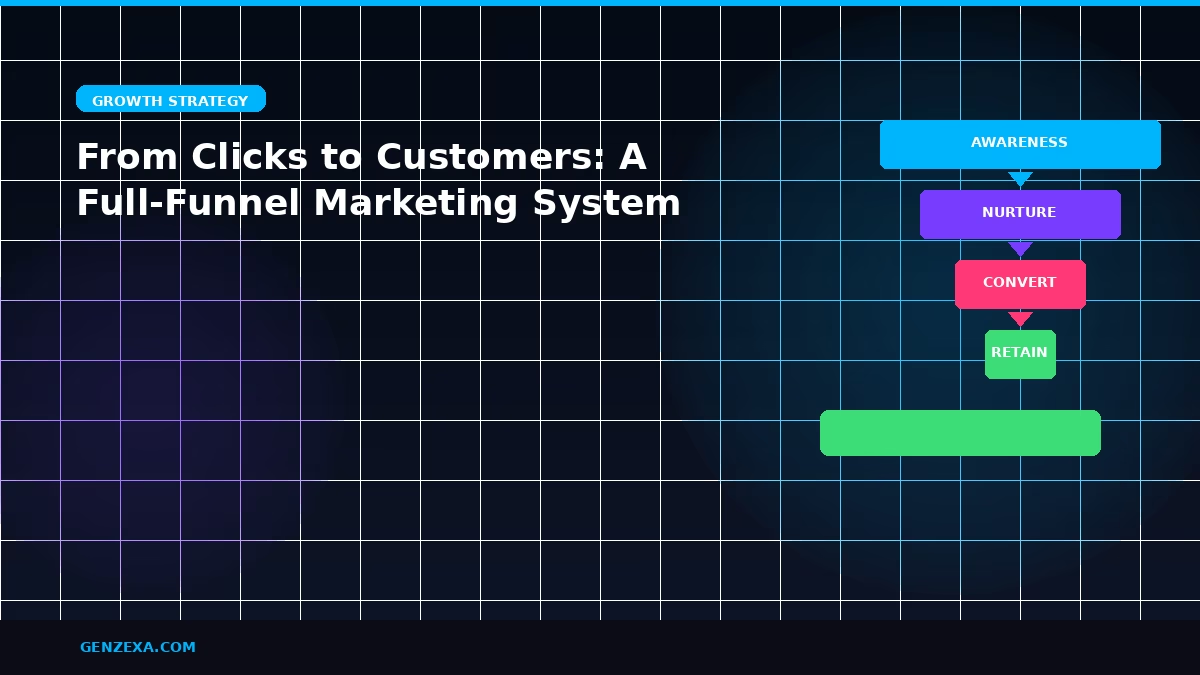
From Clicks to Customers: Building a Full-Funnel Marketing System That Actually Converts
8 min read