In this article (5 sections)
For years, brands rented their audience. Third-party cookies followed people around the web, and ad platforms used that data to target strangers with eerie precision. That era is ending. Cookies are fading, privacy rules are tightening, and platforms are giving users more ways to opt out of tracking.
The result: ad targeting is getting less precise, and the brands that own their own customer data are pulling ahead. In 2026, first-party data isn't a nice-to-have. It's an edge.
What First-Party Data Is
First-party data is information customers give you directly. Email addresses, purchase history, preferences, quiz answers, what they browse on your site. You collected it, you own it, and no platform can take it away or switch it off.
Compare that to third-party data, which you rent from platforms and lose the moment the rules change. One is a foundation. The other is sand.
Why It Matters More Than Ever
- Targeting is weakening. As cookies disappear and users opt out, the precise targeting brands relied on is eroding. First-party data fills that gap.
- It's privacy-safe. Because customers gave it to you willingly, you're on the right side of privacy rules instead of scrambling to comply.
- It powers real personalization. You can't tailor an experience to someone you know nothing about. Owned data is what makes personalization possible.
- It reduces ad dependence. An owned email or SMS list lets you reach customers without paying a platform every time.
How to Start Building It
Give people a reason to share
Nobody hands over their email for nothing. Offer something worth it, a discount, a useful guide, early access, a quiz that helps them choose. Value in exchange for data.
Capture at every touchpoint
Email signups, post-purchase surveys, account creation, quizzes. Each one is a chance to learn more about who's buying from you.
Actually use what you collect
Data sitting in a spreadsheet does nothing. Use it to segment your list, personalize offers, and bring people back. Collected and ignored is the same as never collected.
What to Avoid
Don't collect data you'll never use, and don't collect it in ways that feel invasive. The whole point of first-party data is trust, the customer chose to share with you. Break that trust with spammy over-collection and you lose the very advantage you were building.
The Bottom Line
The brands that treated their customer list as an afterthought are about to feel the squeeze as targeting gets harder. The ones who built a real owned audience will keep reaching their customers no matter what platforms do next. In 2026, owning your data is owning your future.
At GenZexa, building the systems that capture and use first-party data properly is part of how we make a brand's marketing durable, not dependent on rules it can't control.
Related reading: Email Marketing vs. Social Media Marketing, What's Best for Your SaaS Product? · Our growth strategy service
Reading about it is step one. We can do it for you.
Tell us what you sell and what's holding sales back. We'll tell you straight if we're the right people to fix it.
See how our services work →
Hyper-Personalization in 2026: Why Retention Is the Real Growth Engine
7 min read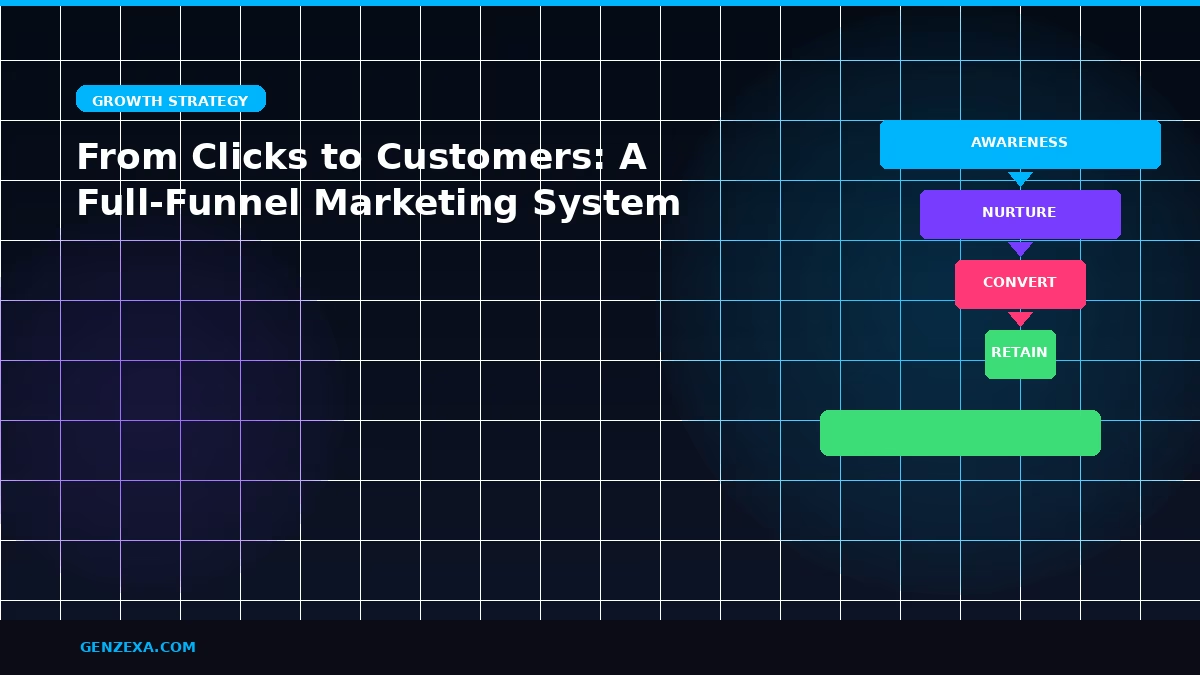
From Clicks to Customers: Building a Full-Funnel Marketing System That Actually Converts
8 min read