In this article (5 sections)
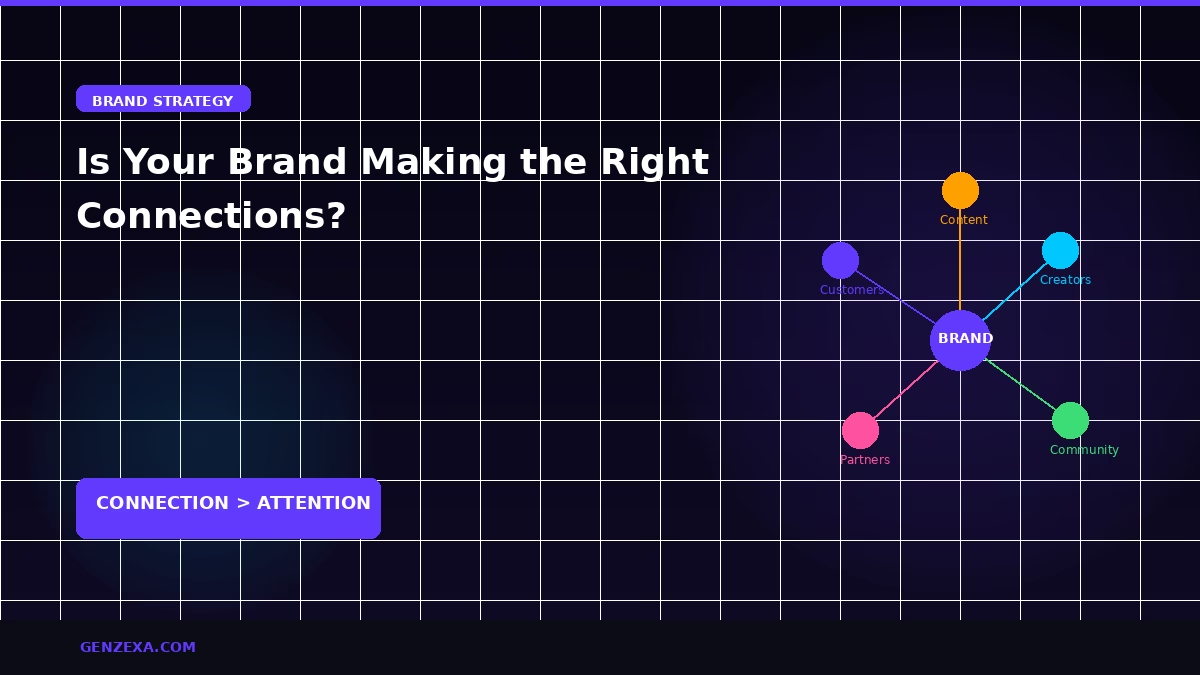
Crowded markets are not won on product superiority alone. If they were, the best products would always win, and that's clearly not what happens. Crowded markets are won on brand connection: the degree to which a specific audience feels genuinely understood, served, and represented by a specific brand.
Building that connection in a noisy, saturated market requires a deliberate strategy. Here's the framework.
Start With Deeper Customer Understanding Than Any Competitor Has
You cannot connect with someone you don't understand. Not at a surface level, at the level of their daily frustrations, their aspirational identity, their exact language for describing their problems, and the specific experience gap that your product fills in their life.
How to develop this depth of understanding:
- Customer interviews: Talk to your 10 best customers. Ask them what life looked like before your product, why they chose you over alternatives, and what they'd lose if you disappeared tomorrow
- Review mining: Read every review of your product and your competitors' products. The specific language customers use to describe their experience is the language that should appear in your marketing
- Community observation: Join Reddit communities, Facebook groups, and LinkedIn discussions where your ICP talks about their problems. Listen before you try to sell
- Post-purchase surveys: "What was going on in your life that made you look for us?", this question consistently surfaces the most valuable customer insight
The brands with the deepest customer understanding produce marketing that reads like it was written by a trusted friend who happens to know exactly what the customer is going through. That feeling is what drives connection, and connection is what drives loyalty.
Position Against Something Specific
In a crowded market, being "better" isn't a position. Everyone claims to be better. Positioning that generates connection is more specific, more honest, and often more contrarian than standard marketing claims.
Three positioning frameworks that work in crowded markets:
The Anti-Status-Quo Position
Define what's fundamentally wrong with how the category currently operates, and position your brand as the response to that failure. "We built this because we were sick of [industry problem] too." This creates an us-versus-them dynamic that bonds customers to the brand through shared frustration.
The Specificity Position
While competitors claim to serve everyone, own a specific segment more completely than anyone else. "The only [product] built specifically for [precise customer segment]." Specificity signals understanding. Understanding builds connection.
The Values Position
Stand for something that matters to your target customer beyond the functional utility of your product. Sourcing ethics, manufacturing transparency, community investment, these positions attract customers who share the values and create loyalty that price competition can't disrupt.
Make Your Customer the Hero, Not Your Brand
The most common brand connection failure is marketing that centers the brand rather than the customer. "We are the best. We won these awards. We've been in business since 2018. Our product has these 12 features." The customer reads this and thinks: "So what does this mean for me?"
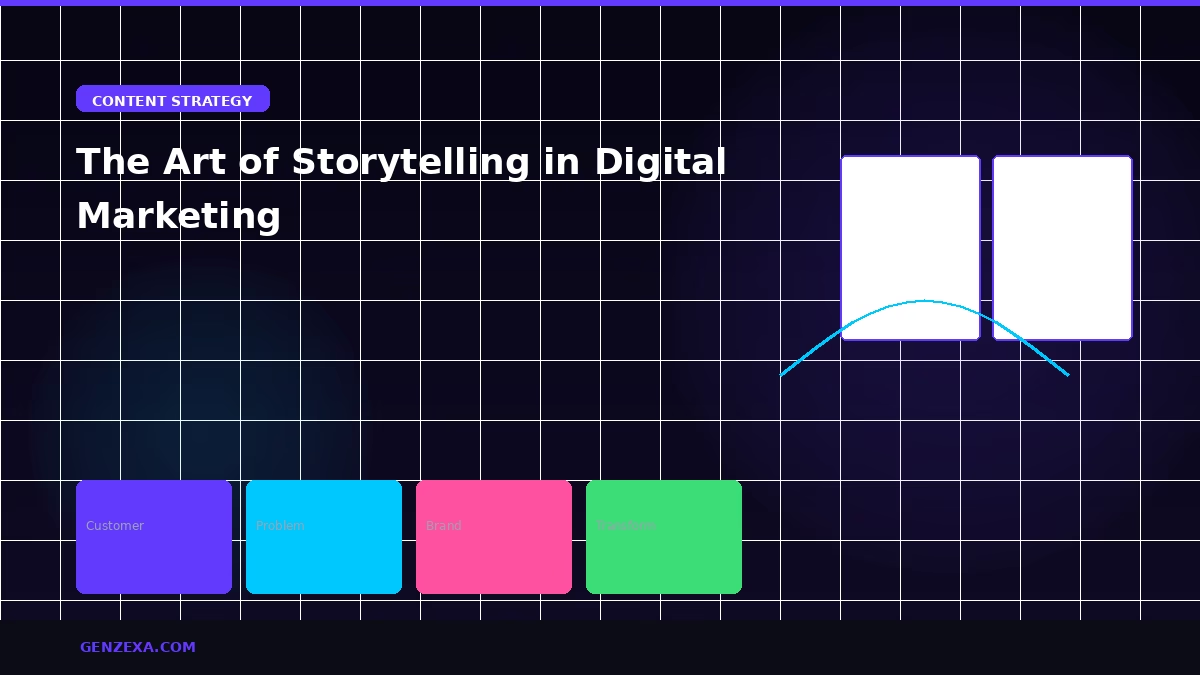
Connection-building marketing tells a different story: the customer is the protagonist. They have a problem worth solving. They take action by choosing your brand. They experience a transformation. Your brand is the supporting character that made the transformation possible, not the hero of its own story.
This shift in framing changes everything:
- From "We make the best [product]" → "You deserve a [product] that actually does [outcome]"
- From "Our customers love us" → "Here's what [customer name] achieved after making the switch"
- From "We've been in business 10 years" → "10 years of [outcomes delivered to customers like you]"
Build Community That Creates Belonging
The strongest brand connection isn't between a customer and a brand, it's between a customer and a community of other customers who share an identity, a problem, or a set of values. Your brand becomes the organizing principle of that community.
Community-building approaches that work:
- Private online communities: Facebook Groups, Discord servers, or Slack workspaces where customers connect with each other, not just with the brand
- Ambassador programs: Turn your most engaged customers into recognized community leaders with access, recognition, and responsibility
- Events: Both online (webinars, workshops) and offline, experiences that create shared memory and deepen the emotional association with the brand
- Content collaboration: Feature customer stories, achievements, and perspectives in brand channels. When customers see themselves reflected in brand content, connection deepens
The Long View: Consistency Builds What Campaigns Cannot
Brand connection in a crowded market isn't built in a product launch or a viral campaign. It's built through the compounding effect of consistent, genuine delivery of value over time. Every touchpoint that reinforces who you are and why you exist adds another layer to the connection.
The brands with the strongest connections in their categories didn't get there by being the loudest. They got there by showing up consistently, for years, with the same clear point of view, the same genuine customer understanding, and the same commitment to delivering value before asking for anything in return.
That's the moat that rising CPMs, algorithm changes, and new competitors cannot touch.
Related reading: The Art of Storytelling in Digital Marketing: How to Engage Your Audience · Micro-Influencers and UGC in 2026: Why Small Creators Now Outperform Big Names · Our growth strategy service
Reading about it is step one. We can do it for you.
Tell us what you sell and what's holding sales back. We'll tell you straight if we're the right people to fix it.
See how our services work →